Estate planning sounds like preparation for death. In a pilot household, it also has to work on an ordinary Tuesday when the pilot is over the Atlantic and cannot answer a phone.
One spouse may earn most of the income and know where every benefit, account and insurance policy sits. The other may keep the household running while the pilot is gone but have little access to the financial systems behind it. That arrangement works until a medical emergency, accident or longer absence removes the person holding the information.
I still fly commercial airline trips. There are hours when my family cannot reach me, and that is under normal conditions. The estate plan should not depend on getting the pilot on the phone.
A Will Does Not Cover Incapacity
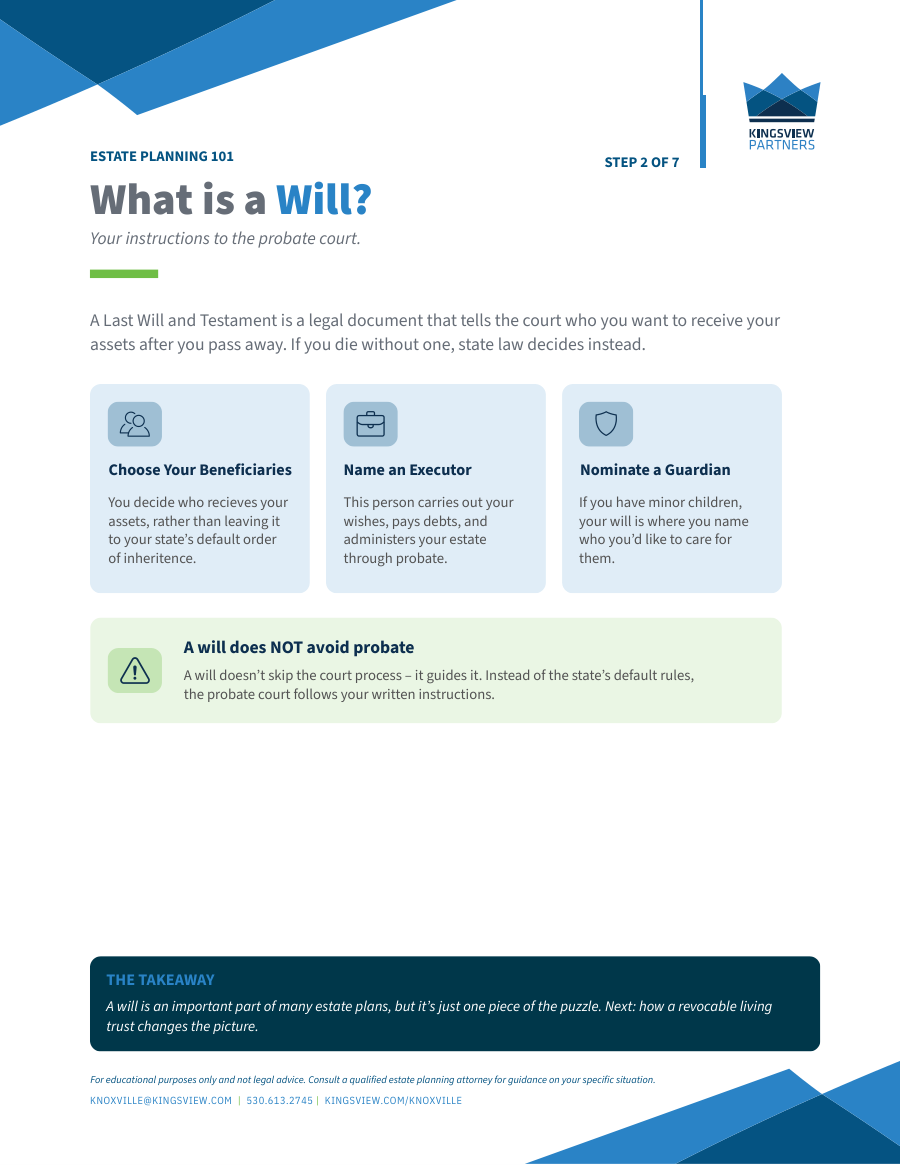
A will directs property after death and can nominate guardians for minor children under applicable state law. It does not authorize a spouse to act while the pilot is alive but unable to manage financial or medical decisions.
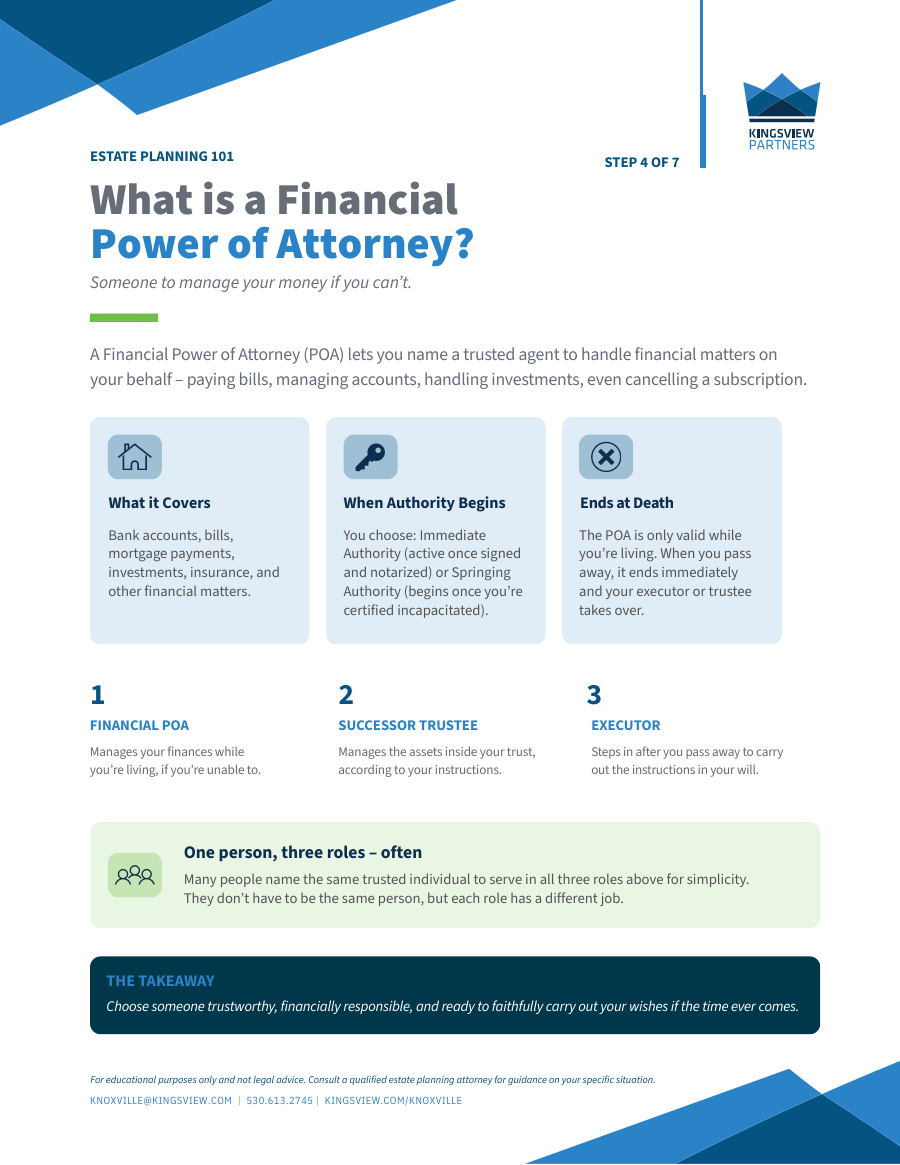
A durable financial power of attorney fills part of that gap. The Consumer Financial Protection Bureau explains that a durable financial power of attorney can authorize an agent to make financial decisions and remains effective during incapacity. The document can address banking, taxes, real estate, insurance and other transactions, depending on how it is written and state law.
Some powers take effect immediately. Others require a finding of incapacity first. That distinction matters when the family needs to act quickly. A document that requires medical certifications may create a delay at exactly the wrong time.
The authority also ends at death. At that point, the executor, personal representative or trustee takes over. Naming the same person for every role may be convenient, but the documents still give that person different authority at different times.
Medical Authority Needs Its Own Documents
A financial power of attorney does not automatically let a spouse make health care decisions.
The estate plan should include the health care directive, health care power of attorney or proxy required in the family’s state, along with any desired HIPAA authorization.HHS notes that a health care agent generally becomes the patient’s personal representative under HIPAA while the health care power of attorney is in effect. The exact trigger depends on the document.
Name a backup agent as well. The pilot and spouse may be traveling together, or the first choice may be unable to act. The backup should know the role exists and where the signed documents are kept.
Coordinate the Will With Beneficiary Forms
Airline families often have substantial assets that do not pass under the will. Life insurance, retirement accounts and accounts with transfer-on-death designations generally follow their contracts or beneficiary forms.
That means an updated will does not repair an outdated beneficiary election. Review the airline 401(k), any pension or profit-sharing benefit, individual retirement accounts, deferred compensation and every life insurance policy. Add contingent beneficiaries rather than stopping with a primary name.
Federal retirement-plan rules can also protect a spouse. The Department of Labor explains that most defined contribution plans pay the account to the surviving spouse unless the spouse signs a properly witnessed waiver. The plan document still needs to be checked, especially after marriage, divorce or a carrier change.
Naming a minor child directly creates another problem. A child generally cannot manage the money, so a court-supervised arrangement or other adult control may be required. The National Association of Insurance Commissioners recommends considering a trust or estate arrangement when a minor is named as a life insurance beneficiary; the structure should be coordinated with an estate attorney.
A Trust Has to Own Something
A revocable living trust can provide continuity if the person managing family assets dies or becomes incapacitated. It may also keep properly titled assets outside probate. Creating the document alone does not accomplish either goal.
The CFPB notes that a living trust is ineffective until money or property is transferred into it. A successor trustee has authority over trust property, not everything the pilot owns.
After signing a trust, review real estate, taxable investment accounts and other intended assets to confirm the titles were changed. Retirement accounts usually require separate beneficiary planning rather than retitling during life. Keep a current schedule showing what is in the trust and what remains outside it.
Make the Household Operable Without the Pilot
Legal documents solve authority. They do not tell a spouse which airline department handles survivor benefits or where the deferred-compensation agreement is stored.
Create a short household file that identifies bank and investment accounts, insurance policies, recurring bills, debts, tax professionals, attorney contacts and the people to call at the airline or union. Include the employee number and enough information to locate the 401(k), group life insurance, profit sharing and any nonqualified benefit.
Do not put raw passwords in an unprotected document. Use a secure password manager with an emergency-access process and tell the spouse how it works.Ready.gov’s Emergency Financial First Aid Kit provides a framework for organizing financial, insurance and identification records.
The spouse should also have access to cash that does not depend on settling the estate or processing an insurance claim. Even when the documents are correct, financial institutions need time to review them. Bills do not pause during that review.
Remember That a Crew Base Is Not a Legal Domicile
Pilots use the word domicile to mean their assigned crew base. Estate law uses it differently.
A base change by itself may have no legal effect if the family remains in the same state. An actual move can affect wills, powers of attorney, health care documents, property ownership and state estate or inheritance taxes. Have the plan reviewed by an attorney licensed in the new state rather than assuming the old documents will work exactly as intended.
Use the Next Trip as a Test
Before the next multi-day trip, ask whether the spouse could access cash, find the signed documents, contact the airline and explain where the major accounts are if the pilot became unreachable for 30 days.
If the answer depends on a cockpit callback, another password or a folder only the pilot understands, the plan is unfinished. A four-day trip is a harmless chance to find that out.
This article is for informational purposes only and is not tax, legal or investment advice.